“If you want to go fast, go alone. If you want to go far, go together.” — African Proverb
In sport, as in branding, showing up isn’t enough. The journey is shared with fans, athletes,
and the culture itself.
Walk into any stadium in Kenya — or across Africa — and you’ll see a familiar sea of logos.
They’re on kits, pitch boards, sponsor backdrops, and water bottles. But ask yourself: how
many of those brands do you actually remember? And more importantly, how many made
you feel something?
In 2025, visibility is no longer enough. Audiences today want more than just presence. They
want purpose, participation, and cultural relevance. Sport is no longer just a marketing channel
— it’s a cultural arena. And the brands that win are those that go beyond being seen — they
become felt.
1. Story, Not Just Score: Where Emotion Builds Equity
Sport is inherently emotional. It’s filled with struggle, triumph, failure, and identity. But most
Brands still treat it as an exposure opportunity, appearing only when trophies are on the line.
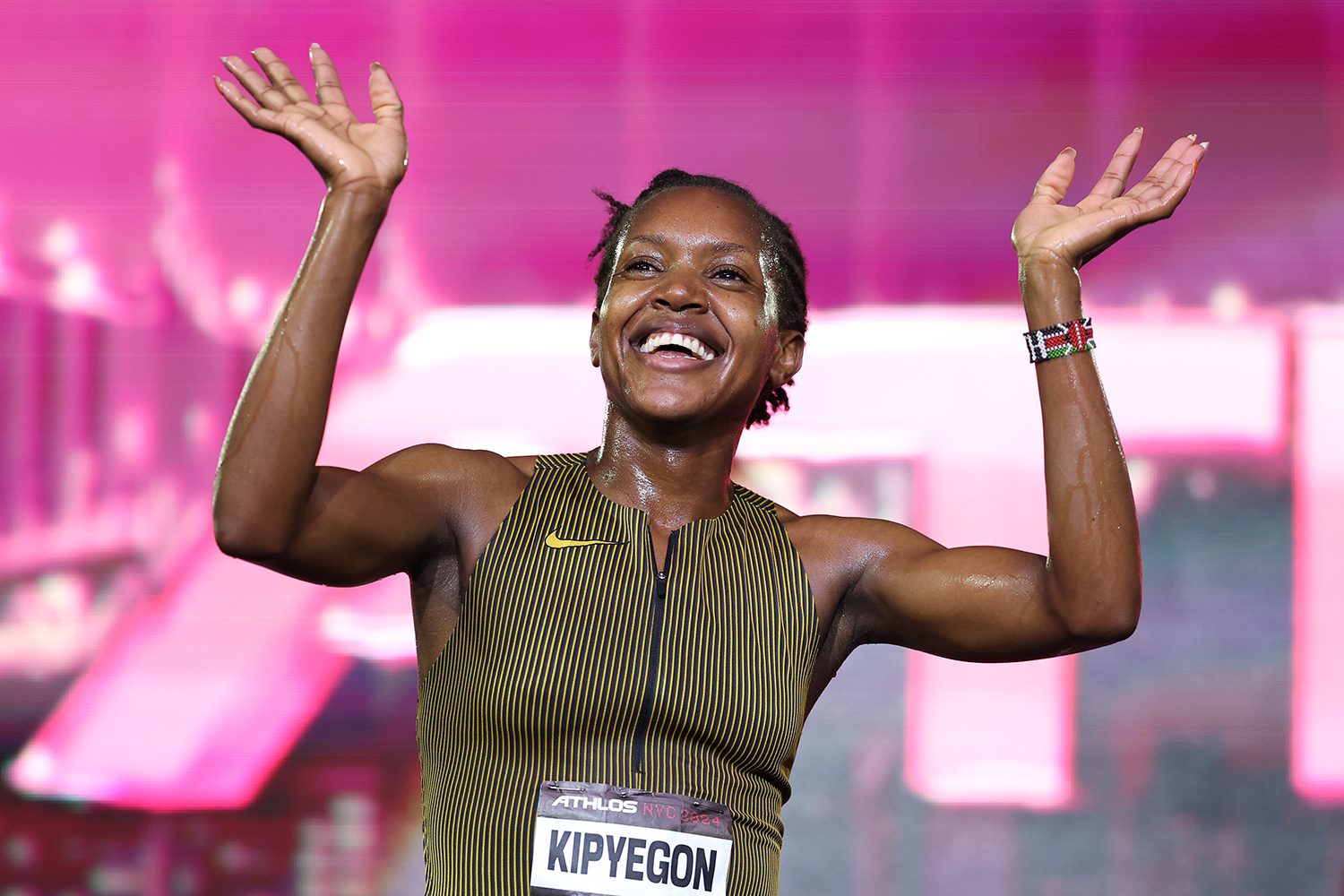
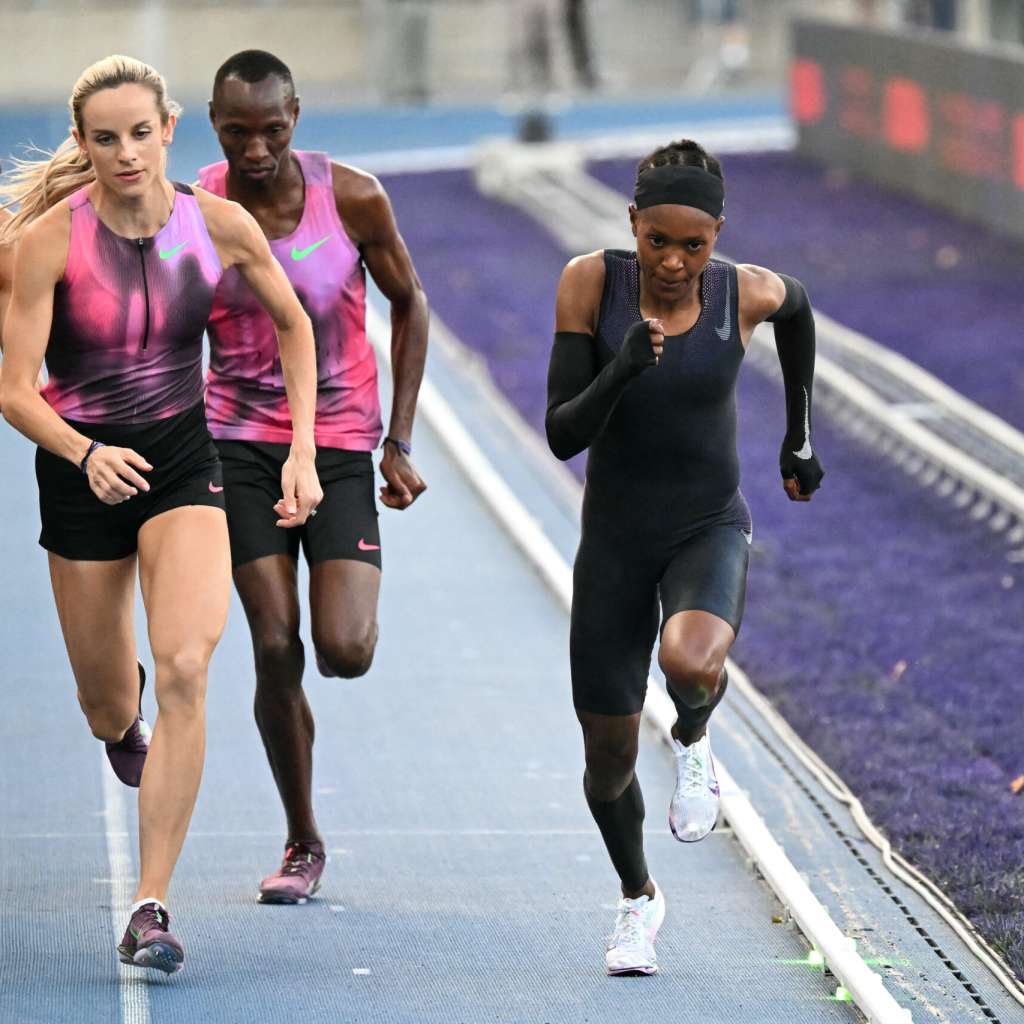
Nike’s Breaking4 campaign with Faith Kipyegon defied this. It wasn’t about medals — it was
about milestones. The campaign positioned Kipyegon’s chase of a sub-four-minute mile as a
shared human challenge, not just a solo race. Though she didn’t hit the mark, the emotional
win was profound. With tech innovation, mentorship from Eliud Kipchoge, and a compelling
narrative, Nike created a moment, not just a message.
That kind of storytelling doesn’t need to wait for the world stage. A brand that documents A
young athlete’s local rise or sponsors a grassroots club through a series of content episodes can
unlock deep emotional resonance — the kind that builds long-term loyalty, not just temporary
awareness.
2. Culture is the Matchday Multiplier
Sport in Africa doesn’t live in isolation. It’s entangled with street slang, local fashion, playlists,
memes, and community rituals. Brands that ignore this context risk sounding out of touch.
Pepsi’s global campaign featuring Vinícius Jr. got it right — blending football fantasy with
playful pop culture. It showed football not as an isolated event, but a source of everyday magic.
From telenovela parodies to spontaneous street matches, the brand created a narrative that
felt fun, relatable, and human.
In Kenya, this translates to the pre-match matatu playlist, the second-hand jersey worn in a
local tournament, or the community banter happening online. Brands that show up here — in
the mix, in the noise, in the ritual — win deeper relevance than those perched in VIP suites.
3. Athletes as Creators, Not Props
Athletes today are more than performers. They’re entrepreneurs, influencers, creators, and
communities unto themselves. Brands that view them as endorsement billboards miss the
opportunity to tap into authentic storytelling.
Eliud Kipchoge’s partnership with INEOS and Nike has been defined by co-creation — not just
product placement. The Breaking2 campaign wasn’t about pushing shoes. It was about pushing
limits. Kipchoge was positioned as a sage, a symbol, and a storyteller. That’s why it landed so
powerfully.
Likewise, rising stars like Michael Olunga are building brand-safe identities rooted in discipline,
giving back, and ambition. The question is no longer “can we put him in our ad?” It’s: what story
can we tell together?
4. Let the Fans Lead
Today’s sports fans are not spectators — they’re participants. They create memes, lead chants,
remix highlights, run fantasy leagues, and build brands around their fandom.
When Emirates launched a “Fan Cam” during the Rugby World Cup, they saw a 40% jump in
engagement — simply by letting fans be seen and heard. The experience became theirs.
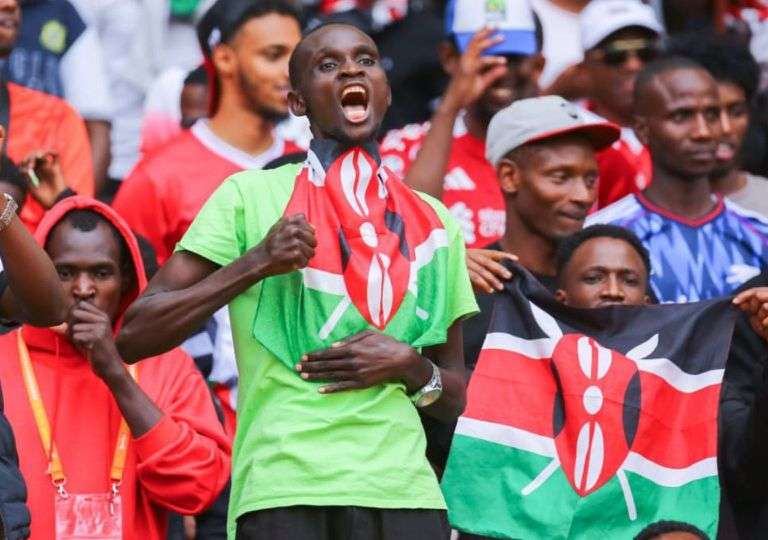
Kenya’s rugby and football scenes are full of this energy — from Shujaa Nation’s memes and
chants to TikTok accounts giving live fan commentary. Brands must evolve from being
broadcasters to platforms. Give fans the tools, permission, and spotlight to shape the brand
narrative alongside you.
5. Before You Sponsor, Ask Better Questions
The days of buying a logo placement and walking away are over. Sponsorship is no longer a
passive strategy — it’s a cultural commitment. Before committing to a deal, brands should
pause and ask:
Are we showing up where emotion lives?
Are we part of the story or floating above it?
Are we co-creating with athletes and fans, or speaking at them?
Are we here for the long game — or just the headline?
✅ Key Takeaways — From Billboards to Belonging
Emotion > Exposure: Campaigns that tell human stories create stronger recall and brand
love than logo placements.
Culture is the Context: Sport is lived through fashion, music, slang, and digital humor.
Engage there, not just on the scoreboard.
Athletes are Partners, Not Props: Let them create with you — through content,
mentorship, and storytelling that feels authentic.
Fans are Co-Creators: Give them tools to participate, remix, and feel seen. Loyalty
follows inclusion.
Ask the Hard Questions: Challenge your own motives. Is your presence meaningful — or
just visible?
�� Final Whistle
Africa — and Kenya — is entering a golden era of sport. Not just in talent, but in content,
community, and creative capital. This is not a time for brands to spectate. It’s a time to step
onto the pitch — not just in logo form, but in culture, emotion, and collaboration.
At CultureSport, we help brands rethink how they show up — not as sponsors, but as strategic,
cultural players with real purpose.
�� Ready to activate with meaning? Talk to us at salim@culturesport.co.ke