A decade ago, African athletes and clubs relied on mainstream media to get noticed. More
often than not, they needed a gatekeeper to be seen; recommendation from a coach, a scout’s
attention, or coverage from a media house. Today, all it takes is a smartphone and a story.
Social media has flipped the sports script and completely reshaped African Sport.
It has changed who gets discovered, how fans engage, and what it means to be sponsored.
Social media has birthed new stars, new communities, and new expectations. Social media
offers a powerful platform for non-traditional discovery, especially in regions with limited
scouting infrastructure.
Here’s how this digital revolution is playing out — and what it means for athletes, fans, and
brands.
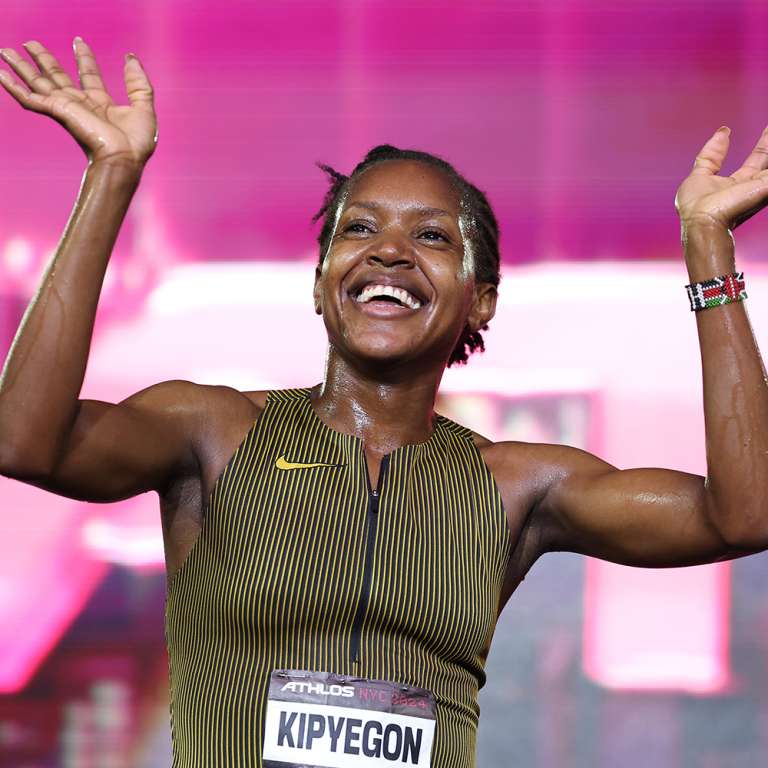
1. Athletes Are Now Their Own Media Channels
Kenya’s middle- and long-distance runners have long been global icons. But outside of race
days, most fans knew little about their personalities, training, or lifestyle.
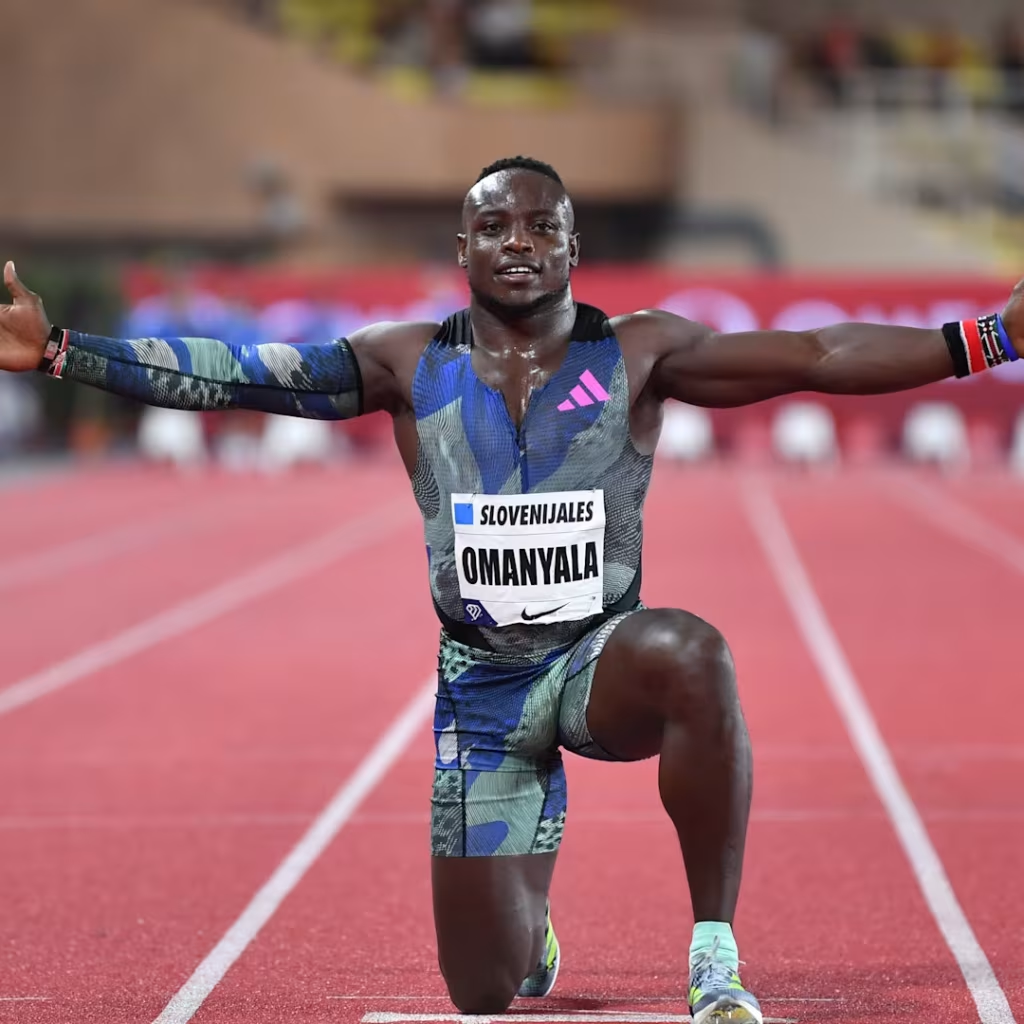
Now, athletes like Ferdinand Omanyala or up-and-coming runners from Eldoret are using
Instagram and YouTube to give fans a window into their world — training camps, behind-the-
scenes, moments, and motivational reels.
Social platforms have made it possible for even undiscovered talent to build a following and
attract sponsors before ever signing a professional deal.
�� Athlete = Influencer + Entrepreneur + Brand.
This shift mirrors a global trend: athletes are no longer just performers, they’re now publishers.
Actually, content shared by athletes often outperforms that from teams or federations.
According to Greenfly, athlete-shared content on social media drives significantly higher
engagement, making them powerful brand amplifiers.
2. Clubs and Leagues Can Bypass Traditional Broadcasters

Historically, only the big teams with big TV deals got attention. But social media changed that.
Today, even smaller clubs in Kenya’s lower leagues are live-streaming games on Facebook or
TikTok, dropping hype videos on Instagram, and running interactive banter accounts on X. For
instance, Gor Mahia FC, one of Kenya’s most storied football clubs, has harnessed platforms like
Instagram and X to engage fans beyond match days. By sharing live match updates, player
interviews, and fan-driven hashtag campaigns like #KogaloNation, the club has built a vibrant
online community, attracting sponsors and global attention without relying solely on traditional
TV coverage.
The entire experience of sport is becoming digital-first, and fans are responding.
Local basketball tournaments, high school rugby games, and even Sunday league football are
now part of the digital ecosystem. This is because the game is one part while the content
around it is everything else.
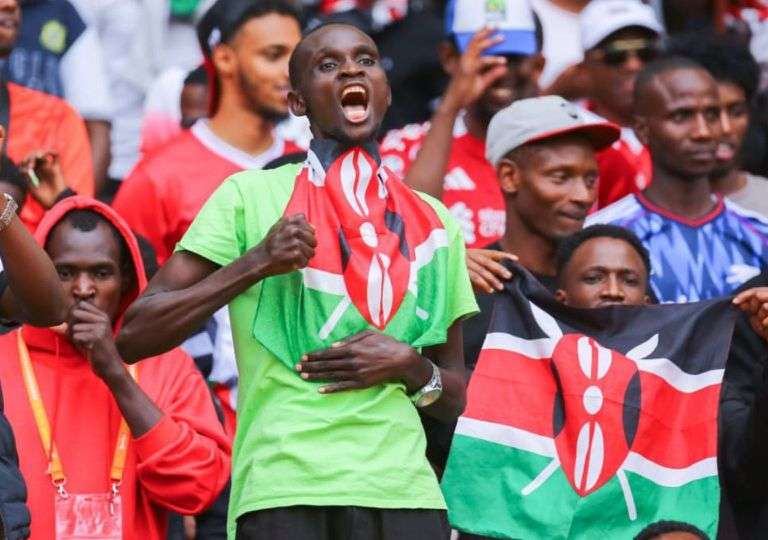
3. Fans Are Content Creators, Not Just Consumers
African sports fans aren’t just watching games — they’re co-creating the experience.
Take the 2023 AFCON tournament: after Nigeria’s dramatic win against Angola, a viral TikTok
challenge dubbed the “Osimhen Dance” took off, inspired by the striker’s celebratory moves.
Thousands of fans across Africa and the diaspora joined in — remixing, duetting, and adding
their own flair, racking up over 2 million views in a week.
In Kenya, during the 2024 Nairobi City Marathon, local fans used #NairobiCityMarathon to
share photos, street cheers, and runner commentary in cinematic reels, some amassing
thousands of views and outperforming official media posts in engagement.
We’ve entered the era of fan-powered content — where memes, voiceovers, parody skits, and
fan-led podcasts often drive more buzz than traditional broadcasts. This shift presents a
massive opportunity for brands looking to plug into culture in real-time.
�� What Does This Mean for the Future?
The African sports ecosystem was once dependent on media houses and governing bodies,
while it’s now becoming increasingly decentralized and democratized.
Athletes can grow their audience without agents
Clubs can build brand equity without broadcasters
Brands can engage with culture without buying a stadium advert
But it also raises the stakes: Without a content strategy, you don’t exist.
And without understanding digital culture, you’ll always play catch-up.
�� How CultureSport Fits In
At CultureSport, we help athletes, clubs, and brands navigate this new world.
Whether it’s:
Launching an athlete content series
Creating digital-first fan campaigns
Building storytelling playbooks for federations. We bring sport and culture together
through strategy, content, and relevance.
The future of African sport is being shaped on screens. And the real game? It’s happening
beyond the field.
�� Ready to activate smarter? Email us: salim@culturesport.co.ke